Guides
Voiceover creation tools judged on daily use
Fifteen voiceover tools ranked by what a working narrator touches every session, from microphones and interfaces to repair software and remote direction.
What to take away
- These fifteen voiceover creation tools split into three jobscapture, edit, and remote direction. Budget for one of each before upgrading any single piece.
- A microphone you cannot treat a room for is worth less than a cheaper one in a quiet booth. Room first, capsule second.
- Repair software (iZotope RX) fixes breath, clicks and room tone. It does not fix a bad performance, so it never replaces a retake.
- Source-Connect and similar remote-direction tools bill the studio, not you, on most union and non-union sessions. Confirm who pays before you buy a license.
- Rank every tool by hours you actually use it per week, not by review scores. A plugin you open twice a month is a hobby, not a tool.
This article covers general voiceover-business operations.
Fifteen tools, ranked by how often a working narrator touches them in a normal week, with 2026 street prices to guide 2027 buying.
The list is ranked 1 to 15. Rank 1 is the tool a working narrator reaches for first on a booking day; rank 15 is the one most narrators never buy.
The three jobs are capture, edit and remote direction. One tool from each costs about $685 one time and about $420 a year at the entry point: Rode NT1, Focusrite Scarlett 2i2, Reaper commercial license, Source-Connect Standard. The same three jobs at the top of the market cost about $4,600 one time and $1,500 to $1,900 a year.
That is a Neumann U87 Ai, a Universal Audio Apollo Twin X, Pro Tools Studio or Adobe Audition All Apps, and Source-Connect Pro. All figures are typical US street prices.
The ranking is not a spec sheet. It is a claim about daily use: what you reach for on a Tuesday morning when a client wants a revision by noon. Each entry says what the tool does, who it suits, what it costs, and how many hours it earns.
Capture: microphones and interfaces
Prices below are typical US street figures as of 2026; sales and bundles move them. None of these figures is held for 2027. Expect subscription plans to be repriced for 2027, while hardware street prices move less. Check the vendor page before you buy.
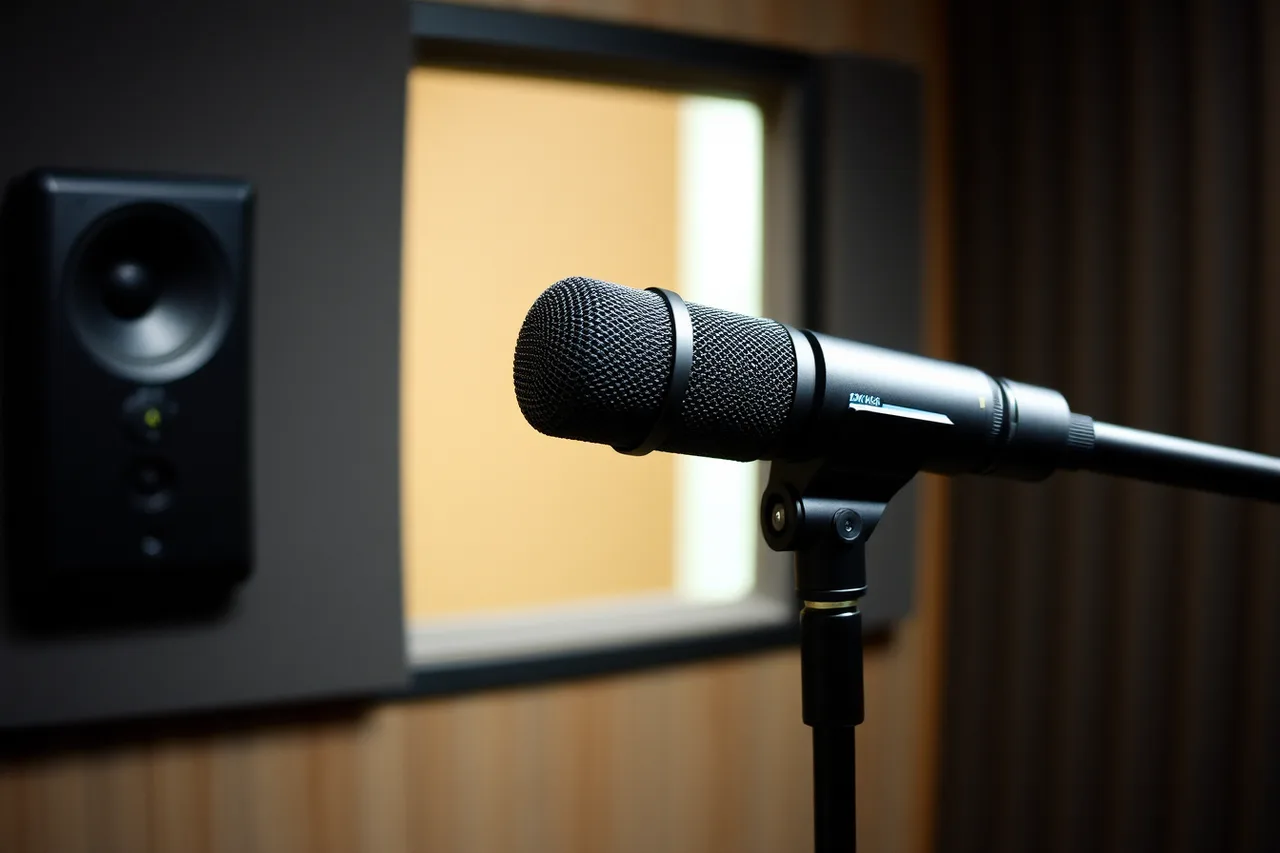
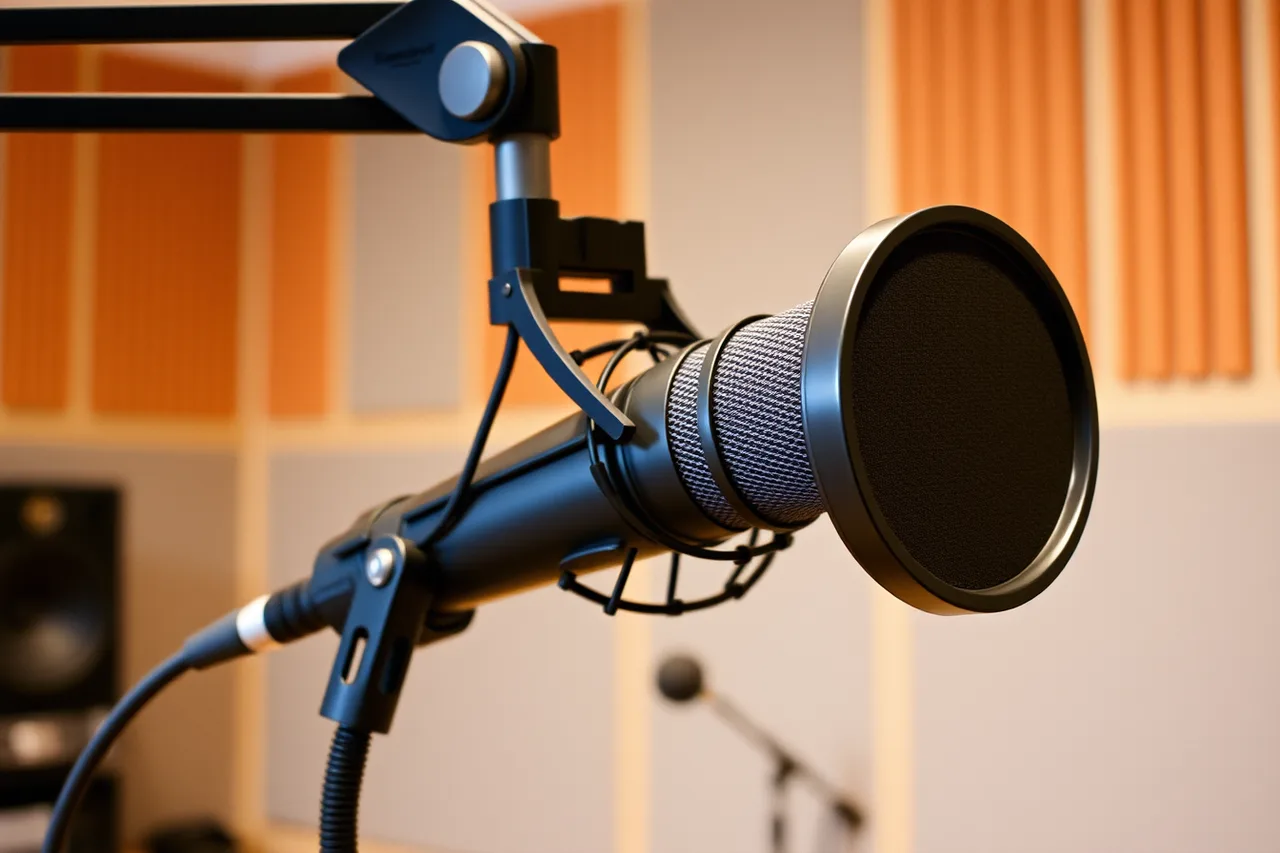
- Neumann U87 Ai.Large-diaphragm condenser, the studio standard for commercial, narration and audiobook work. Clients recognize the name on the invoice. It lists near $3,600 new, so it earns its keep only on a fully booked calendar. Buy it when bookings justify it, not before.
- Sennheiser MKH 416.Short shotgun that casting directors know from film and TV dubbing. The tight pattern rejects a bad room better than a cardioid. Street price is about $1,000. Suits on-camera and trailer work; less flattering on long-form audiobook.
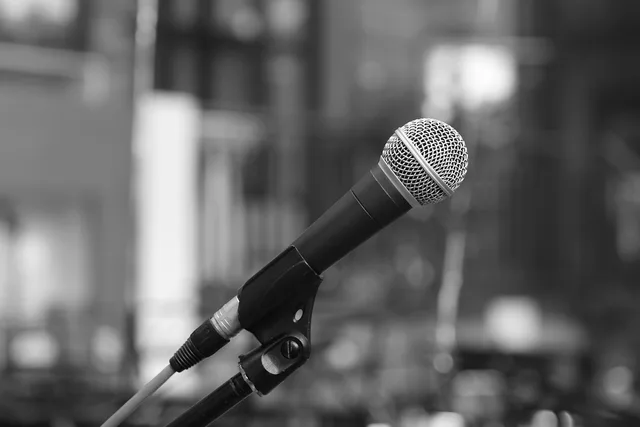
- Shure SM7B.Dynamic, forgiving, near-unbreakable, around $399. Suits podcast, e-learning and home booths with imperfect treatment. Cheap enough to be a first serious mic, and most narrators keep it patched in long after the upgrade.
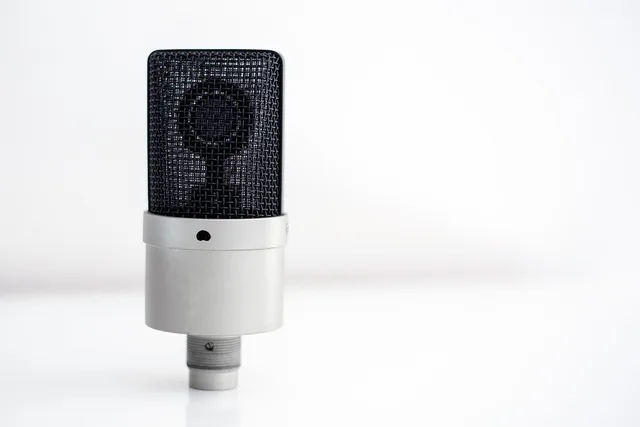
- Rode NT1.Budget large-diaphragm condenser, roughly $260, with very low self-noise. Suits audiobook narrators on a first-year budget who record long takes and need a quiet floor.
- Lewitt LCT 440 Pure.Clean, neutral condenser at a mid price, about $300. Suits narrators who want a U87-adjacent tone without the U87 invoice, usually on auditions and short-form reads.
- Austrian Audio OC18.Austrian-built condenser, about $700, with a detailed top end. Suits commercial and promo reads, where presence matters more than warmth.
- Focusrite Scarlett 2i2.The default starter interface at about $200. Two inputs, USB bus power, works with every DAW. Suits a first booth, and it is the piece most narrators replace last.
- Universal Audio Apollo.Interface plus DSP for running UAD plugins in real time, from about $1,000 for a Twin X. Suits narrators who want console-style processing without latency.
- RME Babyface Pro FS.Rock-solid drivers, low latency, portable, about $900. Suits narrators who record on location or travel between booths. Its stability is the daily payoff, not the preamp color.
- Audient iD14.Clean preamps and a monitor controller in one box, about $300. Suits a booth that also serves as a mix room.
Edit and repair: the DAW layer
- Adobe Audition.Subscription DAW built around batch processing and a waveform-first workflow. Single-app access runs about $23 a month; the All Apps plan is about $60. Suits audiobook narrators delivering long files to consistent specs.
- Avid Pro Tools.The studio interchange format. A Studio subscription costs about $30 a month or $299 a year; Artist is about $10 a month. Suits narrators who send sessions to outside engineers or work in commercial facilities.
- Reaper.Perpetual license for $60 discounted or $225 commercial, scriptable, light on CPU. Suits narrators who build their own editing macros instead of renting them. It opens in seconds on a five-year-old laptop.
- iZotope RX.The repair standard for breath, clicks, hum and room tone. Elements is about $99, Standard about $299, Advanced about $1,199, sold perpetual or bundled. Suits every narrator who records in a home booth.
Remote direction
- Source-Connect. Real-time, broadcast-quality audio link used by studios for remote direction and ISDN replacement. Standard runs about $35 a month and Pro about $99. Suits narrators who take live-directed sessions. The studio usually holds the license, so confirm who pays before you do.
The ranking: fifteen tools by typical weekly hours
Hours are typical for a narrator running three audiobooks a month. The mic, the interface and the DAW all run during the same booked hours, so the column overlaps rather than sums. Repair and remote-direction tools earn episodic hours.
Fifteen tools by typical weekly hours
| Rank | Tool | Typical weekly hours | Cost basis |
|---|---|---|---|
| 1 | Neumann U87 Ai | 18 to 20, main voice path | about $3,600 new |
| 2 | Sennheiser MKH 416 | 12 to 18 on dubbing weeks | about $1,000 |
| 3 | Shure SM7B | 10 to 16 in a home booth | about $399 |
| 4 | Rode NT1 | 10 to 15 on audiobook weeks | about $260 |
| 5 | Lewitt LCT 440 Pure | 6 to 12 | about $300 |
| 6 | Austrian Audio OC18 | 4 to 10 | about $700 |
| 7 | Focusrite Scarlett 2i2 | runs every recorded hour, 12 to 18 | about $200 |
| 8 | Universal Audio Apollo | runs every recorded hour, 12 to 18 | from about $1,000 |
| 9 | RME Babyface Pro FS | runs every recorded hour, 10 to 16 | about $900 |
| 10 | Audient iD14 | runs every recorded hour, 8 to 14 | about $300 |
| 11 | Adobe Audition | 15 to 22 editing hours | about $23 a month, single app |
| 12 | Avid Pro Tools | 10 to 20 | about $30 a month or $299 a year |
| 13 | Reaper | 10 to 20 | $60 discounted, $225 commercial |
| 14 | iZotope RX | 3 to 6 on repair passes | about $99 to $1,199 |
| 15 | Source-Connect | 1 to 3 in live-directed weeks | about $35 to $99 a month |
Where two tools tie on hours, the higher rank goes to the one a narrator reaches for first: voice path, then interface, then edit, then remote direction.
Facts to confirm before acting
Federal Trade Commission: Advertising FAQs: A Guide for Small Business sets the rule for any claim you make about a tool on your own site. Testimonials must reflect honest experience, and paid relationships must be disclosed.
Occupational Safety and Health Administration: Safety Management covers the booth as a workplace. Long sessions at a desk are a hazard you can plan around, not one you discover after an inspection.
U.S. Copyright Office: Copyright and the Music Marketplace explains why a streaming subscription does not clear every use of music in a produced piece. Check the license for the specific use before you publish.
Common questions
Why is Source-Connect last?
It is a studio-side tool. Most narrators are booked into someone else's license rather than buying one, so it earns fewer of your own hours than a DAW you open every day.
Are these ranked by quality?
No. They are ranked by how often a working narrator touches them. A cheaper tool you use daily beats a better tool you use monthly.
Should I buy the U87 first?
Only if bookings already justify it. A treated room and a Shure SM7B will out-earn an untreated room and a Neumann on most auditions.